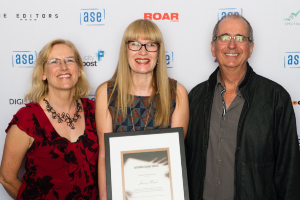














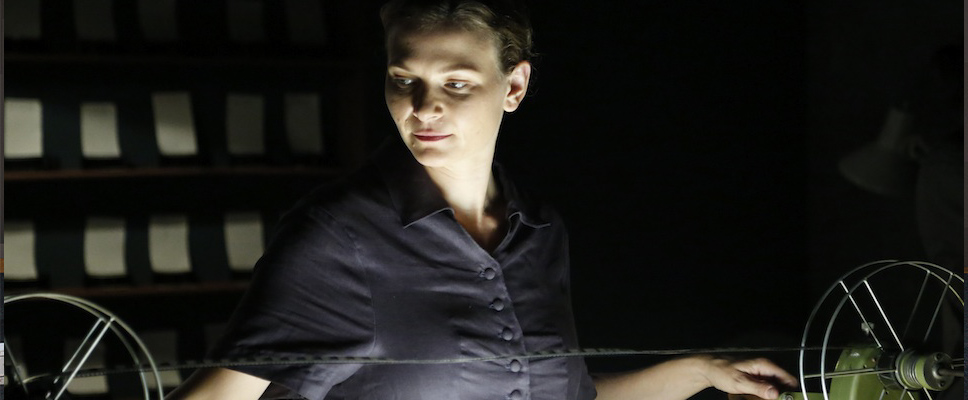
"Woman with an Editing Bench" - Best Editing in a Short Film, edited by ASE member Karen Pearlman.

"Changing Minds" - Series 2, Episode 2, Best Editing in a Documentary Non-Feature. Edited by ASE members Andrew Cooke and Philippa Rowlands ASE
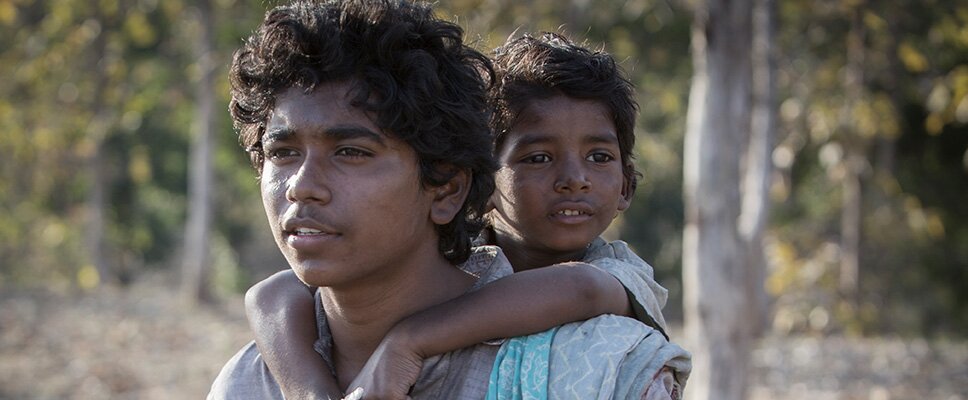
"Lion" - edited by ASE member Alexandre de Franceschi ASE
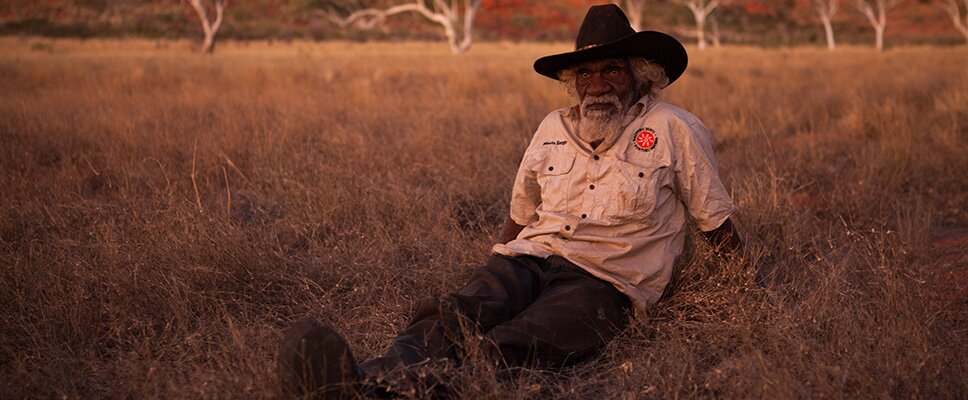
"Collisions" - edited by ASE member Karryn de Cinque
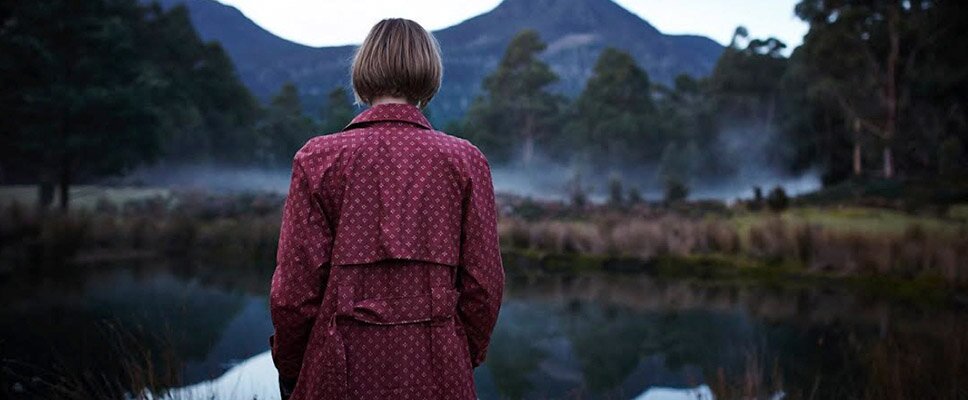
"The Kettering Incident" On Showcase now - edited by ASE Members Martin Connor, Henry Dangar ASE and Mark Perry
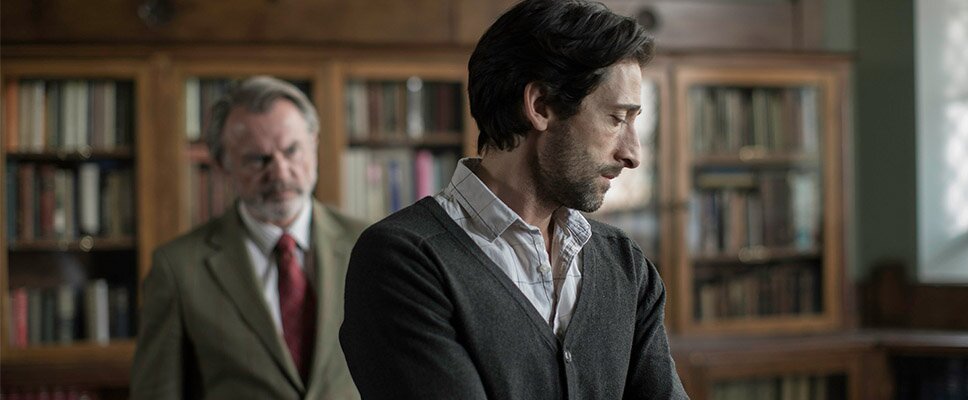
"Backtrack" - edited by ASE Member Martin Connor
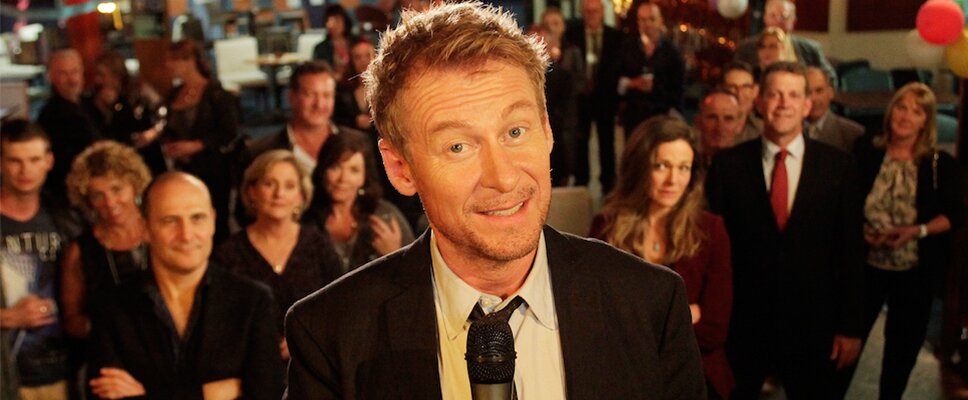
"Rake" Series 4 - on ABC, edited by ASE members Henry Dangar ASE, and Mark Perry.
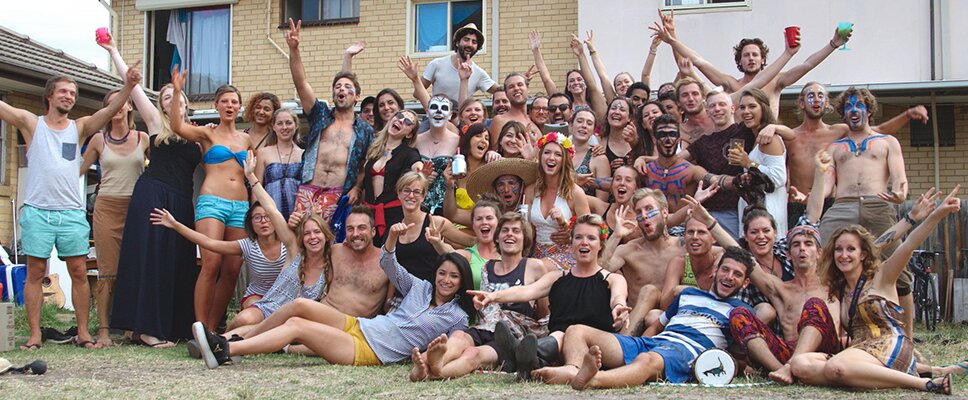
"Housemates" - edited by ASE members Aleck Morton and Matt Porter
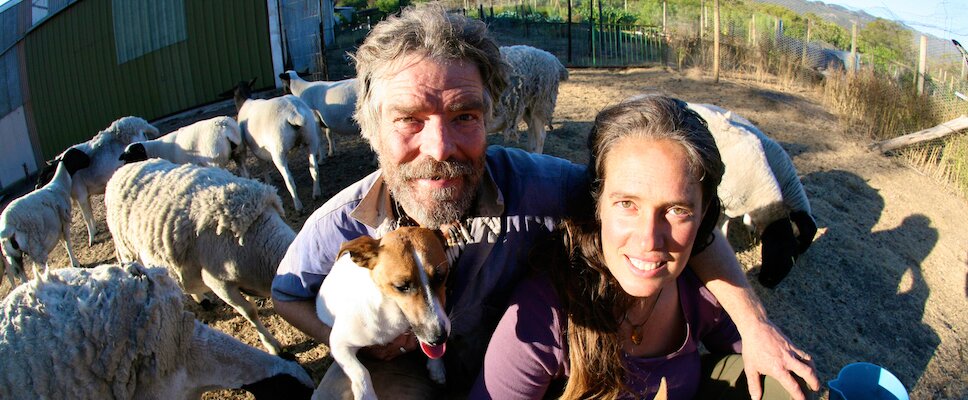
"Suzy & The Simple Man" - jointly edited by ASE members Sally Fryer ASE and Hilary Balmond
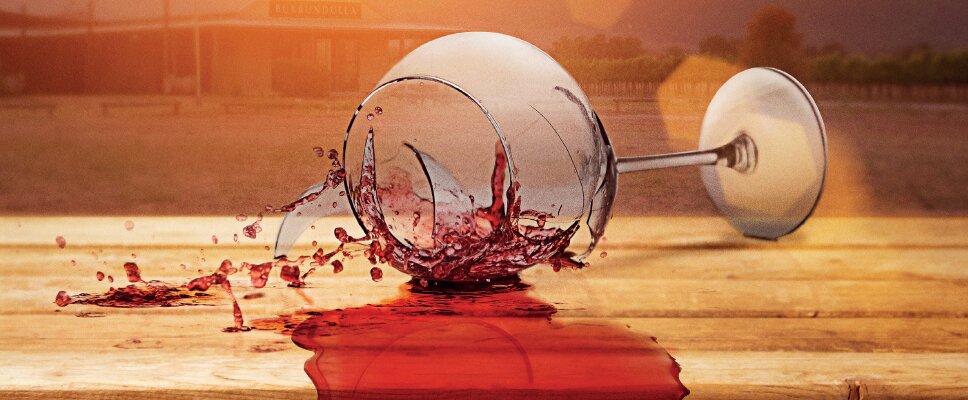
"Crushed" - edited by ASE member Anil Griffin
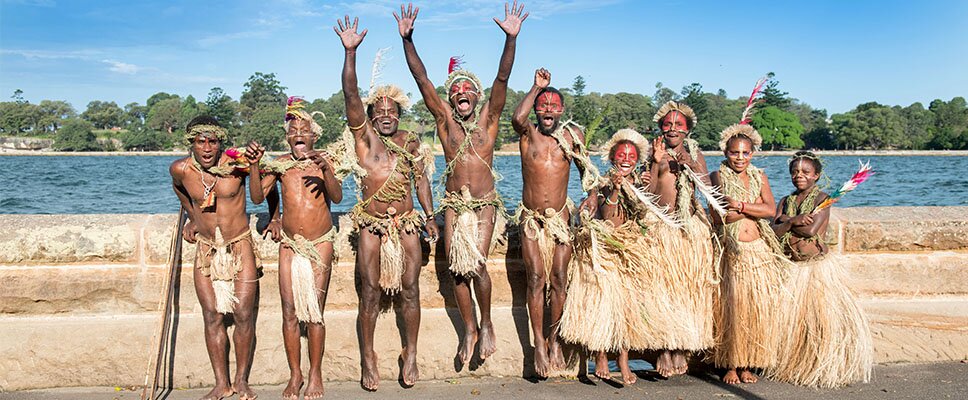
"Tanna" - edited by ASE member Tania Nehme
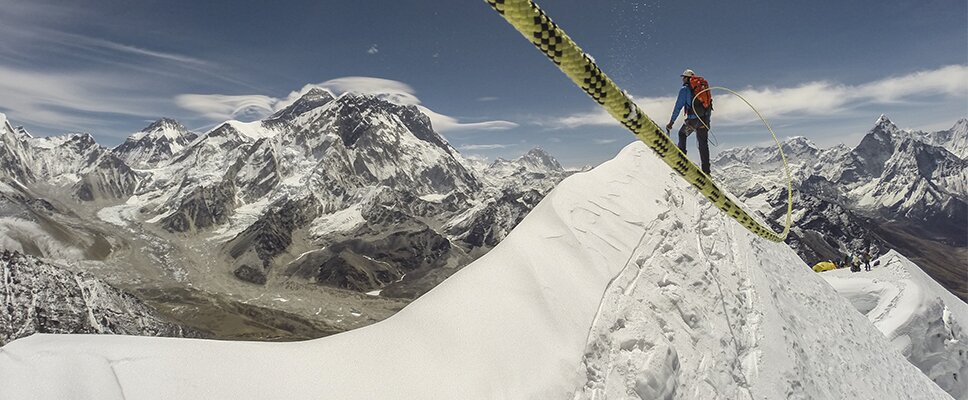
"Sherpa" - edited by ASE Member Christian Gazal